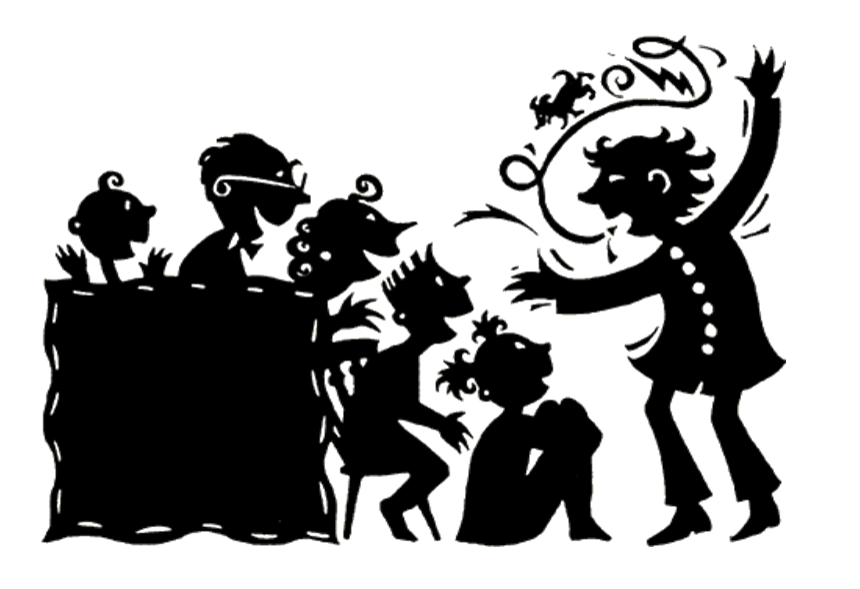
Kids need you to be fully present with them. They know when your mind is elsewhere.
This summer, I had the opportunity to tell stories to kids. I volunteered as part of the Tamiami Tale Tellers, my local Storytelling Guild. A local church summer camp asked us to tell stories and talk about the importance of storytelling for their kids. We contacted them for all the details on the types of stories (they didn’t have to be Bible stories), the venue, ages of the kids, and the amount of time with each group.
LESSON: When someone books you for a gig, make sure you know what they want.
We prepared a 20-minute program for 5 groups with the youngest kids in the first group and each group being progressively older. We decided to prepare one program for Kindergarten to 2nd grade and another for 3rd to 5th grader. We introduced ourselves, briefly talked about the importance of storytelling, told stories, and then did a story activity with the kids.
One of the other storytellers took the lead. She wrote out a script for us to follow between the stories and kept in touch with the organizers. Our group normally performs for adults, so this was a challenge. We adjusted our stories to be age-appropriate. The younger group got simpler and shorter stories that were more interactive.
LESSON: Younger kids have a shorter attention span. You want to keep grabbing their attention.
Following the script, Mary introduced herself first: “Hi, I’m Mary…” One of the kids spontaneously started the group singing “Mary had a little lamb…” Subsequently, each of us had a little lamb and our own verse sung by the group. Yes, even “Joel had a little lamb…”
LESSON: Be organized, but go with the flow. You never know what might happen.
The kids started to fidget, play with name tags, bounce their hands.
LESSON: Be interactive. Get them moving with interactive movement appropriate to the story. Give them call and response roles in the story. Get them to participate. Ask them to make the sounds of the animal characters. This pulls their attention back to the story and helps them expend some energy.
The summer camp staff were surprised that the kids stayed still for so long.
LESSON: Stories are powerful. They can even grab the attention of little kids.
During my rendition of The Wide Mouthed Frog, my frog puppet asked a several of the kids what they eat. One said, “I eat wide-mouthed frogs.” (By the way, check out the pop-up book if you have any kids to entertain.)
“Oh, that’s scary,” I said, “What else do you eat?”
LESSON: Be fully present! Enjoy yourself! Kids say the darndest things!
