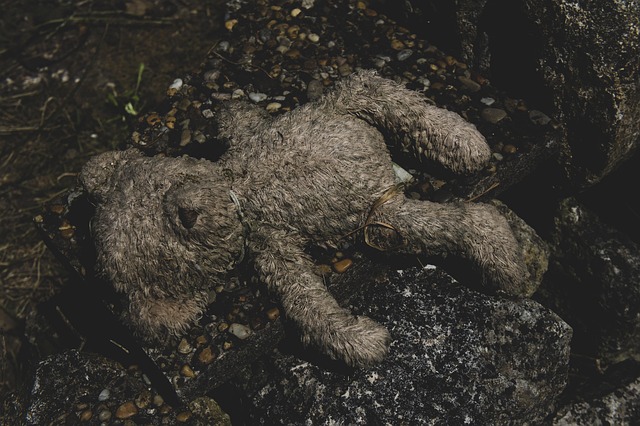
“It’s the end of the world as we know it…” ~ Beetles
“Stop freaking out. Do this instead,” says Athena Aktipis, the psychologist who wrote “A Field Guide to the Apocalypse.” Inside the book, you’ll find advice (with singalongs) for stressful times.
Rather than promoting paranoia or isolationism, Aktipis encourages embracing uncertainty—forming “survival teams,” practicing risk management, and even packing creative tools like a ukulele as reminders to maintain joy and social connection while preparing for potential disruptions. The ultimate message is calming and constructive: the apocalypse is not the end, but an opportunity to build a more resilient and cooperative future.
Although modern life may feel apocalyptic—with pandemics, climate catastrophe, political instability, and technological upheaval—as human beings, we are evolutionarily equipped to survive and even thrive in crises. Drawing on evolutionary psychology, neuroscience, history, and game theory, Aktipis argues that humans have always lived through “mini-apocalypses,” and our species’ success lies in our innate capacity for communication, cooperation, and flexibility. The book blends humor and science to show that fear is the main obstacle to survival and that community-based problem‑solving offers the best route forward.
So if you are faced with an apocalyptic challenge where your world is imploding or exploding, pick up a few skills in this field guide about the importance of community and playfulness.
